Tired Of Messy Counters? Kitchen Backsplash Ideas That Simplify Cleanup
Are you tired of scrubbing spaghetti sauce off your walls after every family dinner? While a beautiful natural stone kitchen backsplash or a sleek ceramic design defines your kitchen's style, its primary job is protection. Let’s find the perfect balance between high-end design and low-maintenance living so you can stop cleaning and start cooking.
The Cleanup Reality: Comparing Material Porosity And Durability
The transition from a pristine kitchen to a permanently stained one often comes down to a single factor: porosity.
In the vast world of kitchen backsplash material options, surfaces generally fall into two camps: non-porous surfaces that repel liquids like a raincoat, and porous materials that absorb grease like a sponge.
When you are frying bacon or simmering a rich curry, microscopic droplets land on your backsplash. If you have chosen the wrong material, the oil can penetrate deeply into the substrate.
We will evaluate the industry heavy hitters: Natural Stone, Ceramic, Metal, and Vinyl. Ideally, you want a surface where grease sits on top, waiting to be wiped away. Texture matters, too; a rough-hewn surface grabs lint, while a smooth slab offers nowhere for grime to hide.
According to the Natural Stone Institute, natural stone requires specific sealing protocols to manage its inherent porosity. In contrast, synthetic options often come sealed by fire or factory. Your choice determines whether your Sunday mornings are spent sipping coffee or scrubbing walls.
Ceramic And Mosaic Back Splashes: The Low-Maintenance Standard
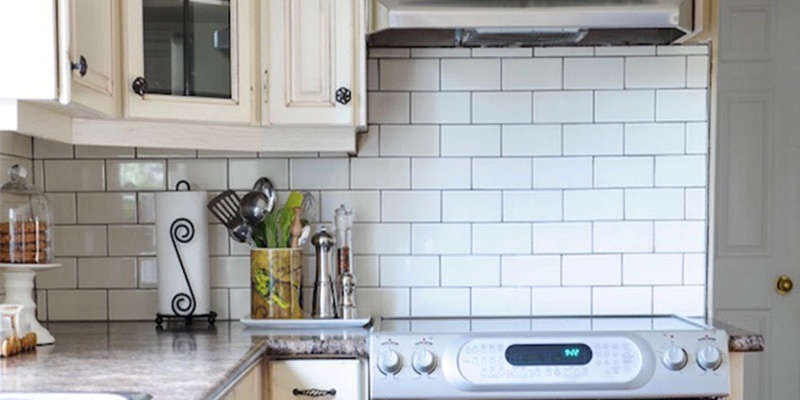
For decades, ceramic and porcelain have reigned supreme as the industry standard for a more comfortable life. The magic lies in the glaze. When a ceramic backsplash is fired, its glossy or satin finish effectively becomes a layer of glass, which is impervious to water and grease. A quick wipe with a damp cloth usually resets the surface to factory-new conditions, making it the practical choice for busy households.
However, there is a catch that often traps the unsuspecting homeowner: the "Grout Factor." You might adore the look of a penny tile or an intricate mosaic backsplash, but mathematically, smaller tiles mean more grout lines. While the tile itself is stain-proof, standard cementitious grout is porous and acts like a hard sponge for tomato sauce and mildew. If you are committed to the intricate look of mosaics, consider upgrading to epoxy grout. It is plastic, waterproof, and stain-resistant.
This trade-off is the crux of the ceramic decision: do you want the visual texture of small tiles or the ease of cleaning large slabs? While ceramic offers a safe, predictable barrier against kitchen chaos, many designers argue it lacks the organic depth found in earth-quarried materials. If you are willing to trade a bit of convenience for aesthetic luxury, let's look at nature's options.
Is a Natural Stone Kitchen Backsplash Right For You?
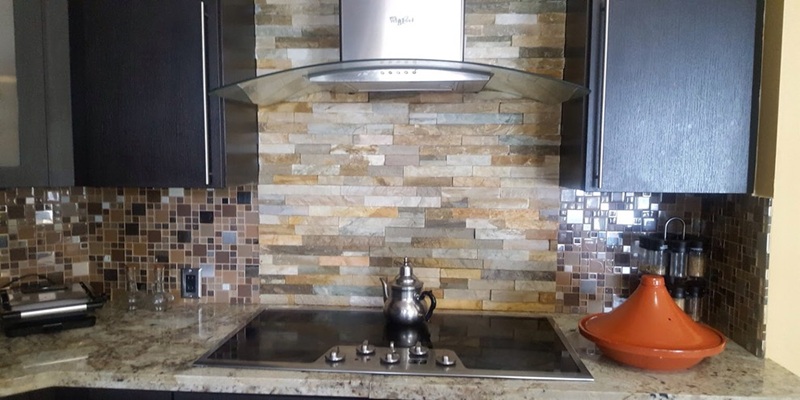
While glazed ceramic offers "set-it-and-forget-it" utility, it often lacks the unique drama that high-end renovations demand. If you want to pivot from purely functional to truly architectural, a natural stone kitchen backsplash is the definitive luxury choice. Materials like Carrara marble and travertine offer depth and veining that instantly elevate a room's status.
However, this beauty demands a strict maintenance contract. Unlike ceramic, a stone backsplash for kitchens is inherently porous; it breathes, which means it also absorbs stains. If you commit to natural stone, you must be prepared for ongoing care. According to maintenance guidelines from the National Kitchen & Bath Association (NKBA), natural stone surfaces generally require initial sealing upon installation and periodic resealing—typically every 6 to 12 months—to maintain resistance against oils.
Without this protective barrier, a splash of red wine or lemon juice can cause permanent staining or "etching" on softer stones like marble. The return on investment is a timeless aesthetic that synthetics cannot replicate. However, you must weigh the cost against your willingness to perform maintenance; if you are a prolific home chef who loves high-heat frying, the porous beauty of stone might require more vigilance than you are willing to provide.
Modern Efficiency: Metal And Vinyl For Backsplash Solutions
If the upkeep of stone sounds exhausting, you might prefer materials that prioritize modern efficiency. For the industrial enthusiast, installing a metal backsplash in kitchen environments offers a sleek advantage. Stainless steel, copper, and decorative pressed tin are non-porous and heat-resistant. This is why they remain the gold standard in commercial culinary spaces: grease wipes right off without scrubbing grout lines, though you may need to polish fingerprints occasionally.
For homeowners focused strictly on budget and DIY capability, using vinyl for backsplash applications—specifically, premium peel-and-stick varieties—has become a respectable option. Modern vinyl is waterproof and incredibly easy to wipe clean with mild soap. This allows for a complete aesthetic overhaul in an afternoon without a wet saw.
However, durability is the trade-off. Vinyl is susceptible to gouges and has a significantly lower heat tolerance than tile or metal. Installing it directly behind a high-output gas range is generally discouraged due to the risk of warping. While metal offers an industrial look and vinyl offers budget flexibility, neither provides the universal resale appeal of stone or ceramic.
Innovative Design: Balancing Budget And Maintenance Costs
You do not have to break the bank to get a clean, stylish kitchen. If you have fallen in love with a delicate marble or a high-maintenance metallic finish but your budget is screaming "ceramic," consider a strategic, mixed-material approach. Treat the area directly behind your range as a "statement piece." This high-impact zone is where the eye naturally falls—and where the most splatters occur.
Here, invest in a solid slab of sealed kitchen natural stone backsplash material or a premium glass sheet to create a visual anchor without grout lines. For the perimeter counters, where the backsplash often disappears behind coffee makers and knife blocks, standard subway tiles can provide a clean, cohesive look at a fraction of the cost. This hybrid approach saves money and reduces maintenance in low-traffic zones.
It is also crucial to calculate the total cost of ownership. While peel-and-stick vinyl offers a low barrier to entry, it is a temporary solution that may peel or discolor. Conversely, high-quality ceramic or porcelain tile is a permanent investment. It costs more upfront, but its durability means you won't be ripping it out in five years, effectively amortizing that initial cost over the lifespan of your home.
Installation And Long-Term Value
Your choice of material also dictates whether this is a Saturday afternoon DIY project or a week-long professional renovation. If you are handy with a utility knife, vinyl, and adhesive, metal laminates are approachable. However, achieving a professional look with tile requires wet saws and patience.
This is especially true if you choose a natural stone kitchen backsplash. Natural stone often varies slightly in thickness and requires expert handling to minimize grout lines (lippage) and ensure a perfectly level surface. A poor installation job can trap grease in uneven crevices, negating the hygienic benefits you were aiming for. From an investment perspective, permanent materials like stone and ceramic generally offer a better Return on Investment (ROI). Potential buyers view these as durable assets, whereas vinyl is often seen as a quick fix that will need immediate replacement.
Your Kitchen, Simplified
Ultimately, the "best" backsplash is the one that survives your specific cooking style while matching your aesthetic. If you want zero fuss and maximum durability, glazed ceramic remains the undefeated champion. If you crave organic beauty and accept the maintenance ritual, a sealed stone surface adds undeniable character.
Before heading to the showroom, take an honest inventory of your kitchen habits. If you do heavy frying daily, prioritize scrubbable, non-porous surfaces. Don't let a messy kitchen ruin your love for cooking—browse a catalog or consult a contractor today to find the perfect shield for your walls.